Get to know the role before you apply.
Find out where you'd fit on the board. Here's every officer position in A-HOUSE, along with the expected responsibilities and skills needed.
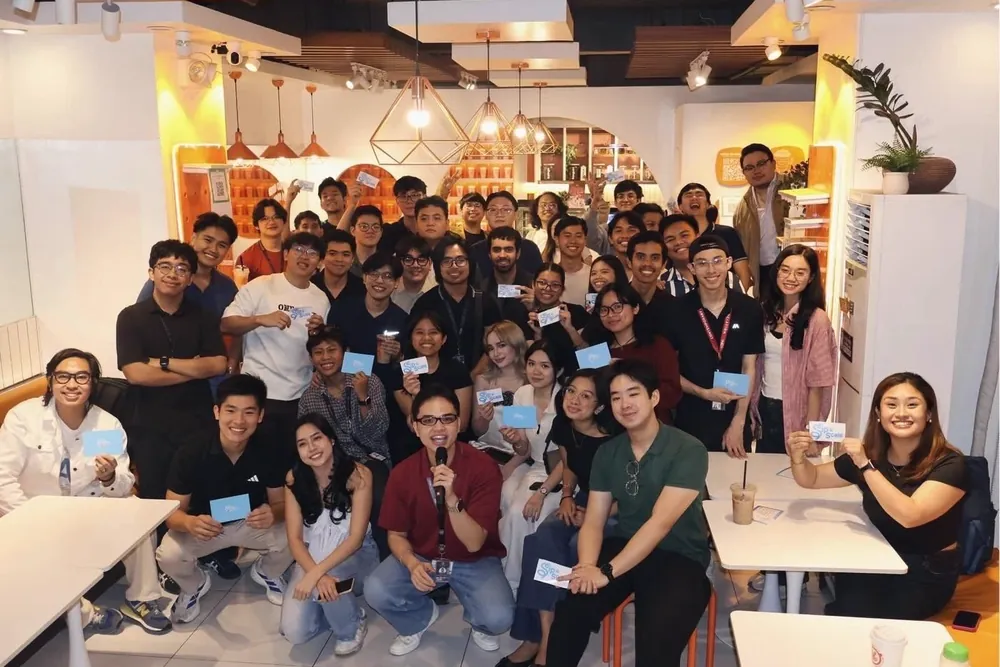
How A-HOUSE is organized.
Chief · Management BoardHead · Executive BoardLead · Department Teams
General member
Community Track
For members who just want to attend events, meet people, and learn about startups, with no application needed beyond standard A-HOUSE membership. Just show up!
Managerial member
Managerial Track
For members who want to help make events happen, not just attend them. Managerial Members apply directly to a department Team and work under its Lead on projects, operations, marketing, or partnerships.
Chief Executive Officer
One CEO, six departments, three tiers each. Every Chief works directly with the CEO and the other Chiefs, and is a mentor anyone below can go to for feedback or questions.
Management Board
Chiefs
The six department Chiefs form A-HOUSE's C-suite. Each Chief sets their department's vision, reports directly to the CEO, and mentors everyone below them.
Executive Board
Heads
Each Head is their Chief's right hand, like a department VP. Heads turn the Chief's vision into day-to-day work and supervise the Leads alongside the Chief.
Department Teams
Leads
Each Lead owns one specific area of their department's work and runs a team of managerial members, reporting to the Head and Chief.
Reporting line Managerial Member Team Lead Head Chief CEO
Front-end department
Growth
The Growth Department runs A-HOUSE's marketing, brand and social media, and promotes every event. Growth makes sure A-HOUSE looks as lively on the outside as it is on the inside. A great event is meaningless if nobody knows about it.

Chief · Management Board
Chief Growth Officer CGO
Leads the Growth Strategy Department and sets its vision, including A-HOUSE's overall marketing, brand and growth strategy.
Head · Executive Board
Head of Growth
The CGO's right hand. Supervises the Leads, making sure campaigns and content ship on time and stay on-brand.
Leads · Department Teams
Content & Design
Runs the visual side of Growth: graphics, pubmats, photography and videography for events and initiatives, and keeps every asset consistent with A-HOUSE's brand.
Social & Publicity
Runs A-HOUSE's social platforms, from planning and posting content to answering messages and rolling out campaigns for events and membership drives. Tracks engagement and reports what's working.
You'll need
- Responsiveness
- Marketing collateral creation
Expect spontaneous job orders that act as contingencies.
How Growth works on a project, and what it owns
A project, start to finish
At the start
- Ideate project themes
- Create posting schedules
- Prepare contingencies for posts that may take longer than expected
During
- Take on extra job orders from the CEO, Engagements or Talent
- Post marketing collaterals on the relevant channels, on schedule
At the end
- Post-event recaps
What Growth owns
- Recruitment Week
- A Growth-led initiative: the campaign theme, collaterals and posting push that bring applicants in.
- Weekly posting
- At least one post a week on A-HOUSE channels, with or without a project, so A-HOUSE stays visible between events.
- Stories between events
- Member spotlights, startup features and announcements, with a backlog ready for weekly posts.
Front-end department
Engagements
The Engagements Department is the backbone of A-HOUSE's events. Whether it's opscheds, event gimmicks, or the deployment of hosts and facilitators, Engagements creates the ideas behind every great event.

Chief · Management Board
Chief Engagement Officer CEnO
Leads the Engagement & Relations Department and sets its vision, including how A-HOUSE builds lasting relationships with its members, alumni, sponsors and partner organizations. Owns the program and flow of A-HOUSE's flagship events.
Head · Executive Board
Head of Relations
The CEnO's right hand. Supervises the Leads, making sure event programs stay true to A-HOUSE's culture and that every partner and sponsor commitment is met.
Leads · Department Teams
Event Engagement
Runs the on-the-ground side of A-HOUSE events: plans the run-of-show and engagement segments, keeps activities on schedule during the event, and gathers participant feedback afterward.
Partnerships & Sponsorships
Runs A-HOUSE's outreach to sponsors and partners, from reaching out to prospective ones to keeping in regular touch with existing ones. Logs every partnership commitment and makes sure both sides deliver on time.
You'll need
- Program ideation and execution
- Confidence
- Writing
When planning, Engagements puts itself in the shoes of new members and guests who are unfamiliar with A-HOUSE. The question is always whether the most introverted person in the room would take part, and whether the program adds value for them.
How Engagements works on a project, and what it owns
A project, start to finish
At the start
- Pitch event program concepts with the board
- Draft the program flow and opsched
- Coordinate with Talent on manpower and sign-up needs
- Coordinate with Finance on funding needs
During
- Finalize the program flow with hosts and facilitators
- Keep the event running on time
- Plan and run event gimmicks and segments
At the end
- Pass photos and highlights to Growth
- Thank speakers and guests
What Engagements owns
- General Assembly
- Plans and runs the GA: program, hosts and flow. It's the one time the whole membership is in one room, so it sets the tone for the term.
- Scouting speakers
- Contacts new speakers A-HOUSE hasn't worked with yet, then hands them to Talent to maintain.
- Member engagement
- Keeps A-HOUSE's member messaging platforms lively.
Front-end department
Talent
The Talent Department is in charge of scouting, recruiting and deploying members who have the passion to work on A-HOUSE projects or teams. Talent also leads the scouting and emailing of external organizations who may be willing to partner with us.
Chief · Management Board
Chief Talent Officer CTO
Leads the Talent Development Department and sets its vision, including how A-HOUSE recruits, trains and grows its members from onboarding through leadership. The point of contact for conflict resolution and member wellness.
Head · Executive Board
Head of Talent
The CTO's right hand. Supervises the Leads, making sure recruitment cycles, development programs and welfare initiatives run smoothly.
Leads · Department Teams
Recruitment
Runs each recruitment cycle from start to finish: application periods, interviews, applicant communications and onboarding for new members. Tracks recruitment metrics and recommends improvements for the next cycle.
Member Development
Runs the programs that help members grow: workshops, speaker sessions, skill-building activities and mentorship pairings with alumni.
Engagement & Welfare
Keeps A-HOUSE feeling like a community through team-building activities, member check-ins and recognition of outstanding contributions. A first point of contact for member concerns.
You'll need
- Interpersonal skills
- Confidence
- Writing (forms, emails)
Talent is most concerned with the people already in the A-HOUSE community. It says hello to members outside org events and makes sure every member feels that their presence matters.
How Talent works on a project, and what it owns
A project, start to finish
At the start
- Set up the Google Forms and Sheets
- Create teams and source managerial members for the event's manpower needs
- Work with Engagements on slides, registration forms and links
During
- Handle member tracking and registrations
- Call and deploy manpower for the event
At the end
- Update tracking with who took part
- Thank volunteers and flag standout members for recognition posts with Growth
What Talent owns
- Venture Vibes
- Owns Venture Vibes from planning to execution, pulling in Engagements for the program and speakers where needed.
- Member and partner relations
- Keeps active contact with external partners and speakers, and checks in regularly with members, not just when A-HOUSE needs something.
- Open-door consultations
- Sets up individual consultations with members, online or onsite.
Back-end department
Operations
The Operations Department handles logistics for every event: venues, equipment, supplies and transportation. It also keeps the org's records (minutes, permits, masterfiles) and makes sure activities follow Ateneo policy.

Chief · Management Board
Chief Operations Officer COO
Leads the Operations Department and sets its vision, including how A-HOUSE runs its day-to-day administration, logistics, resources and risk management. Makes sure every activity complies with Ateneo policy and has a contingency plan.
Head · Executive Board
Head of Operations
The COO's right hand. Supervises the Leads, making sure events are ready on time and records are always in order.
Leads · Department Teams
Logistics
Makes sure every event has what it needs: venue bookings, equipment, transportation and materials, and handles troubleshooting on-site.
Administration & Records
Keeps A-HOUSE's paperwork in order: meeting minutes, event permits and departmental masterfiles. Flags any documentation gaps against Ateneo policy before events proceed.
You'll need
- Efficiency
- Knowledge of the event
- Readiness to get things done
Every project starts with Operations, often by securing a venue, so speed is the name of the game.
How Operations works on a project, and what it owns
A project, start to finish
At the start
- Once the board approves the concept, secure the venue and the campus clearances it needs
- Coordinate with Innovations and AIPO if they are helping with the venue
During
- Handle venue confirmations such as food and drinks accreditation
- Make sure all materials are on site
- Make sure guests have no problem entering campus
At the end
- Return borrowed equipment and settle venue concerns
- File reports and records
What Operations owns
- Startup Spark
- Owns Startup Spark from planning to execution, putting venues, permits and logistics to work.
- Meeting minutes
- Takes minutes at every board meeting, so decisions and action items are on record.
- Org records
- Keeps the shared drive in one folder structure and files every project's documents as soon as it closes.
Back-end department
Finance
The Finance Department manages A-HOUSE's budget, expenses and reimbursements, and keeps the books transparent to the board and members. Finance also leads the emailing of external organizations who may be interested in sponsoring A-HOUSE events.

Chief · Management Board
Chief Financial Officer CFO
Leads the Finance Department and sets its vision, including A-HOUSE's annual budget, fundraising strategy and financial transparency. Allocates resources across departments while tracking spend against plan.
Head · Executive Board
Head of Finance
The CFO's right hand. Supervises the Leads, making sure expenses, reimbursements and fundraising records stay accurate and up to date.
Leads · Department Teams
Financial Operations
Handles A-HOUSE's day-to-day finances: recording expenses, processing reimbursements and tracking each department's spending against its budget. Flags potential overruns.
Fundraising
Runs A-HOUSE's fundraising initiatives on the ground, including merch sales, tambay weeks and bazaars. Keeps records of sponsorships and contributions and reports the proceeds.
You'll need
- Numeracy
- Proposal writing
- Sheets forecasting
Outside fundraising, the job is tracking expenditures and reimbursements. When an event has no budget, Finance serves as extra manpower.
How Finance works on a project, and what it owns
A project, start to finish
At the start
- Build the event budget
During
- Handle all event money: funds, receipts and sponsors
At the end
- Process reimbursements
- Close the books and compare budget against actual spending
What Finance owns
- A-HOUSE Fundraiser
- Runs the org's fundraiser from planning to execution, then tracks the proceeds and reports them to the board.
- Fundraising ideas
- Keeps a running list of fundraising ideas and tries new ones, so A-HOUSE doesn't rely on one source of funds.
- Sponsors
- Builds the sponsor list, sends pitches and follows up all year, not only when an event needs money.
Back-end department
Innovations
The Innovations Department creates new events and suggests departmental changes based on startup trends and member feedback. Innovations also works closely with AIPO, the Ateneo Intellectual Property Office, to run the Incubation Track, helping student ventures become real startups.
Chief · Management Board
Chief Innovation Officer CIO
Leads the Innovations Department and sets its vision, including A-HOUSE's innovation roadmap and new programs like hackathons and startup incubators. The board's fact-grounded resource whenever new ideas are pitched.
Head · Executive Board
Head of Innovation
The CIO's right hand. Supervises the Leads, making sure pilot projects run smoothly and member feedback turns into real improvements.
Leads · Department Teams
External Innovations
Tracks trends in the wider startup ecosystem and turns them into new programs and experiences for members. Works with Growth and Engagement & Relations to scale successful pilots.
Internal Innovations
Runs the feedback loop that keeps A-HOUSE's own programs improving, collecting member feedback and event evaluations across departments and turning them into clear insights.
Incubation Track
Runs A-HOUSE's program for turning student ventures into real startups, including pilot projects and workshops. Coordinates with AIPO and tracks each venture's progress and support needs.
You'll need
- Cross-functional collaboration
- People skills
- Event ideation
For anything AIPO-related, Innovations is the go-to. It also exists to make sure members enjoy events and board members work well with each other.
How Innovations works on a project, and what it owns
A project, start to finish
At the start
- Pitch event concepts with the board
- Get AIPO on board early if it is helping with the venue
- Prepare the post-evaluation forms for attendees
During
- Serve as extra manpower wherever needed
- Send out the post-evaluation forms
At the end
- Turn feedback into changes for the next event
What Innovations owns
- Incubation Track
- Runs the Incubation Track with AIPO: the program design, the participating startups and their progress through the term.
- AIPO relations
- A-HOUSE's main point of contact with AIPO, handling endorsements, waivers and venue help.
Members
Every A-HOUSE member falls into one of two tracks.
General member
Community Track
For members who just want to attend events, meet people, and learn about startups, with no application needed beyond standard A-HOUSE membership. Just show up!
Managerial member
Managerial Track
For members who want to help make events happen, not just attend them. Managerial Members apply directly to a department Team and work under its Lead on projects, operations, marketing, or partnerships.
Not sure where you'd fit?
Reach out to the Chief Talent Officer's team. They run recruitment and can walk you through what each role actually looks like week to week.
Get in touch